

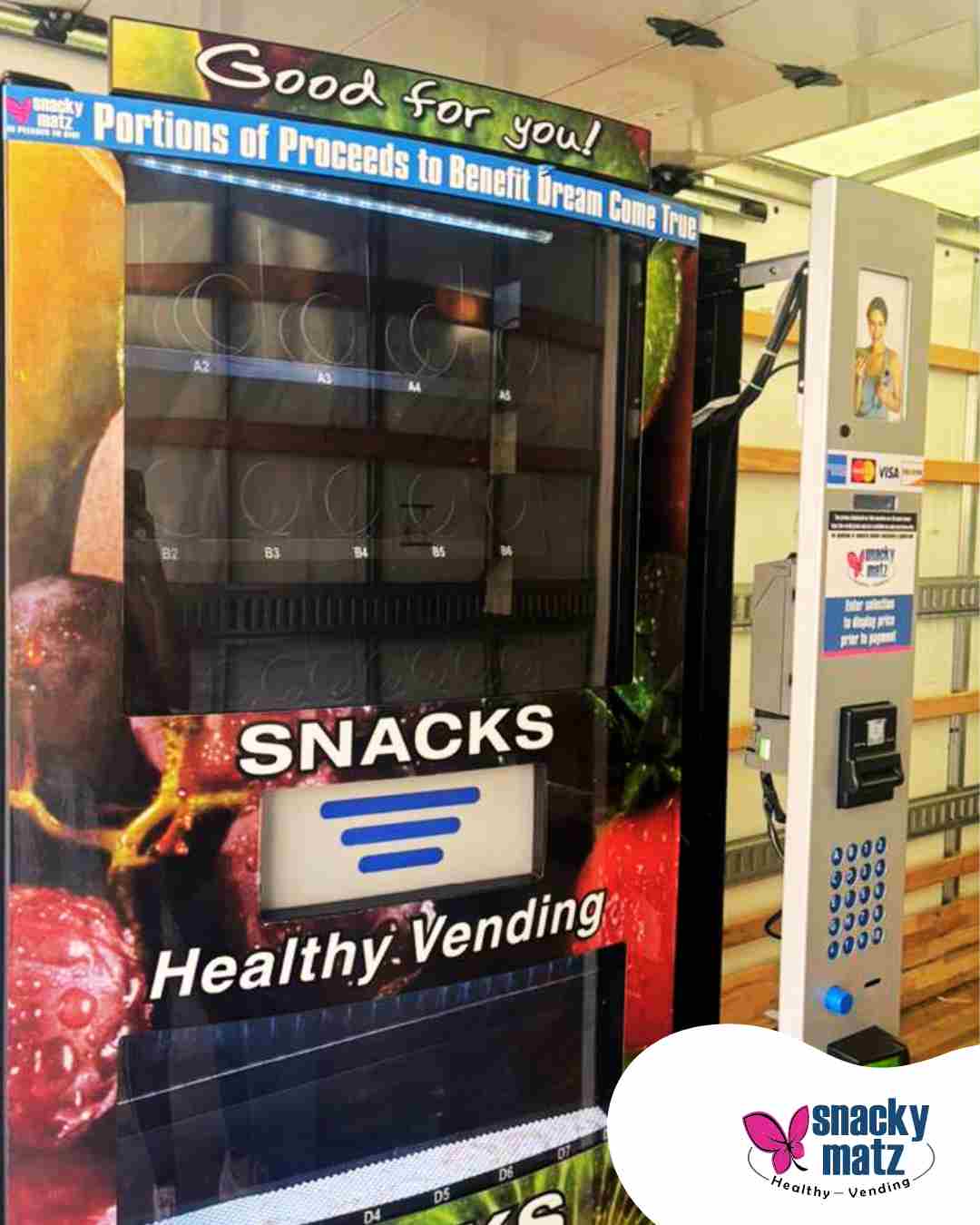
Modern vending machines are no longer just simple additions to a workplace. They have become part of a broader system that reflects how a business approaches convenience, organization, and daily experience. What may seem like a small operational detail can, in reality, signal how structured and professional a vending machine service truly is.
In many environments, vending machine equipment is used multiple times throughout the day. Employees rely on it during short breaks, visitors interact with it in shared spaces, and its presence becomes part of the routine. Because of this frequency, the condition and modernity of the machine directly influence how people perceive the space around them.
A clean, updated machine with features such as touchscreen interfaces, contactless payment options, and organized product displays naturally reinforces a sense of reliability. On the other hand, outdated equipment with limited functionality can introduce friction, even when the intention is simply to provide convenience.
Modern vending machines have evolved far beyond basic dispensing systems. Features such as digital interfaces, flexible payment methods, and improved delivery mechanisms are now expected in many workplaces.
What often goes unnoticed is that the presence of modern vending equipment is rarely accidental. It usually reflects a provider that invests in infrastructure, prioritizes maintenance, and understands the importance of user experience.
For business owners evaluating a vending machine service, the machine itself is more than a convenience point. It is a visible indicator of how professional, reliable, and structured the operation behind it truly is.
First Impressions Start with the Equipment
The moment someone walks into a break room, gym, office, or shared facility, small details begin to shape their perception of that environment. While layout, lighting, and cleanliness often take center stage, vending machines quietly play a role in that first impression.
Unlike many other elements in a workspace, vending machines are both seen and used. This dual interaction makes them uniquely influential. People do not just pass by them, they engage with them, and that interaction creates a direct link between the equipment and the overall experience of the space.
Visual Appeal and Perception of Quality
Modern vending machine equipment is designed with more than functionality in mind. Clean finishes, branded panels, clear product displays, and intuitive interfaces contribute to a more polished environment.
Even before making a purchase, users subconsciously evaluate whether the machine looks reliable and easy to use.
A well-maintained machine with a modern design signals attention to detail. It suggests that the space is organized and that the services within it are thoughtfully managed.
In contrast, machines that appear worn, outdated, or poorly maintained can disrupt that perception. Scratched surfaces, dim lighting, or unclear displays may seem minor, but together they can create a sense of neglect.
Outdated Machines Send the Wrong Message
Outdated vending machines often communicate more than intended. Even if they are technically functional, their appearance and usability can suggest that they have not kept pace with current standards.
Users today expect speed, clarity, and ease of use. When a machine lacks card payments, has confusing navigation, or delivers products inconsistently, it introduces unnecessary friction.
Over time, these small frustrations accumulate. People may begin to avoid the machine altogether, and more importantly, associate that inconvenience with the environment itself.
Technology Reflects Operational Standards
When evaluating a vending machine service, technology is one of the clearest indicators of how structured the operation behind it really is.
Modern vending machines are no longer limited to basic dispensing. They include systems designed to improve usability, streamline operations, and ensure consistency across multiple locations.
Modern vending equipment is a sign of a professional service because it reflects structured operations, consistent maintenance processes, and a clear focus on user experience. Providers that invest in updated machines tend to operate with greater efficiency, reliability, and long-term planning.
Payment Systems and User Convenience
One of the most visible differences between outdated and modern vending machines is payment flexibility.
Machines that accept only cash create immediate limitations. They depend on users having exact change and slow down the entire experience.
In contrast, machines equipped with card readers and contactless payment options align with current user behavior. The ability to tap a card or use a mobile wallet reduces friction and increases usage.
As discussed in this article on cashless vending machine technology, payment innovation has significantly increased engagement and convenience.
Smart Features and Machine Monitoring
Beyond payments, modern vending machines often include smart monitoring systems.
These systems allow providers to track inventory in real time, receive alerts for issues, and optimize restocking routes.
- fewer out-of-stock situations
- faster issue resolution
- more consistent machine performance
For businesses, this means reliability. For users, it means trust.
Reliability Is Not Luck, It Is Infrastructure
When a vending machine works consistently, it may go unnoticed. But that consistency is rarely accidental. Behind every reliable vending machine is a structured system designed to prevent issues before they affect the user.
Reliable vending machine equipment is the result of defined processes, preventive maintenance routines, and operational control. Providers who operate with consistency do not rely on reactive fixes. They build systems that anticipate demand, monitor performance, and maintain equipment before failures occur.
Machines that frequently fail are often not isolated problems. They are signs of weak infrastructure behind the service. Inconsistent restocking, delayed maintenance, and lack of monitoring usually lead to repeated breakdowns, directly impacting user trust and usage over time.
Maintenance and Preventive Care
High-quality vending services rely on preventive maintenance, not reactive fixes. This approach ensures that machines remain operational even under frequent daily use.
- regular inspections
- component checks
- cleaning routines
- system updates
By addressing issues early, providers reduce downtime and improve long-term performance. More importantly, they avoid the type of recurring problems that make users stop trusting the machine altogether.
In contrast, reactive maintenance tends to solve symptoms rather than causes. While a machine may temporarily return to operation, underlying issues often remain, leading to repeated failures that gradually reduce engagement.
Consistency in Product Delivery
From a user perspective, consistency is critical. A vending machine is expected to work every time without requiring extra effort or attention.
- delivers products correctly
- processes payments smoothly
- operates without interruptions
This consistency builds trust over time and reinforces a positive experience within the environment. When users know the machine will work, they naturally integrate it into their routine.
On the other hand, even occasional failures can have a disproportionate impact. A single bad experience can discourage future use, especially in fast-paced environments where convenience is expected.
The Role of Equipment in Workplace Experience
Workplace experience is increasingly shaped by small, everyday interactions. While major elements such as workspace design and company culture play a central role, secondary touchpoints often define how people experience the environment on a daily basis.
Vending machines, due to their frequency of use, naturally become part of that experience. They are used during breaks, between tasks, and in moments where convenience matters most.
Daily Convenience for Employees and Visitors
Modern vending machines support daily routines by reducing friction and saving time. In environments where schedules are tight, even small delays can disrupt workflow.
- fast payment processing
- clear product visibility
- intuitive navigation
These elements make interactions smoother and more efficient. They reduce hesitation and make the machine easier to use, even for first-time users.
For visitors, a well-functioning machine reinforces the perception of an organized and prepared environment. It signals that the space has been designed with usability in mind, not just functionality.
Subtle Impact on Satisfaction and Engagement
While vending machines are not the main driver of satisfaction, they contribute to a broader ecosystem of experiences that shape how people feel about a space.
Reliable machines become part of the routine. They are predictable, accessible, and easy to use. Over time, this consistency creates a sense of convenience that people begin to rely on without actively thinking about it.
Unreliable machines, however, tend to stand out immediately. Repeated issues such as failed payments or unavailable products create frustration that feels disproportionate to the task itself.
These interactions may seem small in isolation, but they accumulate. Over time, they influence engagement, perception, and even how people evaluate the overall quality of the environment.
Choosing a Provider Means Evaluating Their Equipment
When selecting a vending machine service, the equipment itself should be one of the main evaluation criteria. It is the most visible part of the service and the one users interact with daily, making it a direct reflection of the provider’s standards.
Focusing only on product selection can lead to incomplete decisions. The real difference between providers often lies in how their machines perform over time.
What to Observe Before Accepting a Service
Before choosing a provider, observe:
- machine condition and cleanliness
- interface modernity
- payment options available
- product organization
- responsiveness of the system
These elements directly impact usability and perception, but they also reveal how the service is managed behind the scenes.
For example, a clean and well-organized machine usually indicates consistent restocking and maintenance routines. Modern interfaces and payment options suggest ongoing investment in technology. Fast and responsive systems often reflect proper configuration and monitoring.
For additional context, you can also read what happens when a vending machine breaks, especially if reliability and service responsibility are part of your evaluation.
Why Equipment Quality Reflects the Entire Operation
The quality of vending machine equipment reflects the entire operation behind it. It is not just a visual detail, but a direct outcome of how the provider structures their service.
- prioritize maintenance
- optimize logistics
- monitor performance consistently
- focus on user experience
These practices require coordination, planning, and long-term commitment. As a result, the equipment becomes a visible extension of those internal processes.
On the other hand, outdated or poorly maintained machines often indicate gaps in structure. Limited monitoring, inconsistent servicing, and reactive operations tend to surface through the condition and performance of the equipment.
For business owners, this creates a practical advantage. Instead of relying solely on promises or proposals, it becomes possible to evaluate the service through what is already visible.
In many cases, the machine itself provides the most honest insight into what the service will look like over time.
Conclusion
Modern vending machines are no longer just functional assets. They are part of a broader system that reflects how a business approaches efficiency, organization, and user experience.
From design and usability to technology and reliability, vending machine equipment communicates important signals about the quality of the service behind it.
For business owners, this means that evaluating a vending machine service should go beyond product selection. The condition, functionality, and technology of the machines offer valuable insight into how the service operates.
As search behavior evolves, more businesses are looking for terms like modern vending machines, vending machine reliability, and vending machine service quality. This shift shows a growing interest in understanding not just what is offered, but how it is delivered.
Ultimately, vending equipment is not a secondary detail. It is a visible extension of the service itself. When it meets modern standards, it reinforces trust, improves daily interactions, and aligns with the expectations of today’s workplaces.