

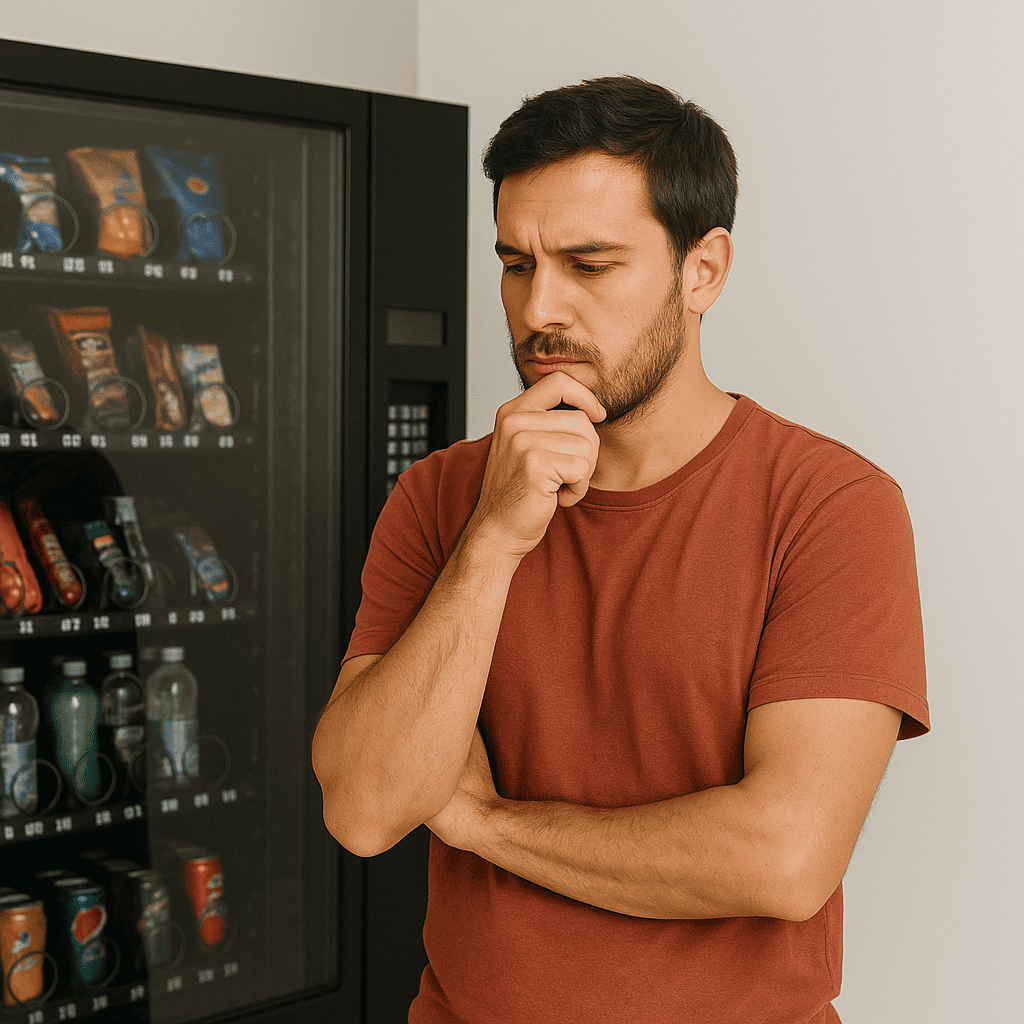
Owning a vending machine has become one of the most buzzworthy ways to generate passive income—but does it really work? On social media and online forums, vending machines are often portrayed as effortless money-makers: buy a machine, place it somewhere with decent foot traffic, stock it with snacks or drinks, and wait for the cash to roll in. For busy professionals, side hustlers, or even companies looking to monetize their own break room, the appeal is obvious.
But here’s the reality: while vending machines can be profitable, they’re not automatic cash machines. The income you make depends on several variables, including location quality, product mix, machine reliability, restocking frequency, and how you handle payments. Add to that the cost of purchasing a machine and the labor involved in keeping it running, and you’ll find a business model that’s more hands-on—and potentially riskier—than it seems at first glance.
This is especially important for business owners who are considering vending as a way to offer snacks or drinks to employees or visitors. Some wonder whether they should buy a machine themselves or explore alternatives like a full-service vending solution that handles the equipment, restocking, and maintenance at no cost.
In this article, we’ll take a clear-eyed look at the real costs of vending machine ownership, what kind of revenue is possible, and the hidden work that often gets overlooked. If you’ve ever asked yourself “Can I actually make money with a vending machine?”—this guide will help you find the honest answer.
The Appeal of Buying a Vending Machine
It’s easy to see why vending machines have caught the attention of entrepreneurs and business owners alike. They promise recurring revenue, minimal staffing, and the possibility of serving customers 24/7. For many, vending feels like the perfect entry point into a semi-passive business model—one with low overhead and scalable potential.
Vending Machines as a Side Hustle
The concept of buying a vending machine as a side hustle has become especially popular in the last few years. People looking to diversify their income streams often see vending as a manageable commitment. Place a machine, stock it every week or two, and watch the income accumulate. It sounds ideal.
That said, most successful operators know the difference between theory and practice. Even a small vending route requires consistent effort: restocking, cleaning, responding to malfunctions, and managing product rotation. The income is there, but it’s not completely passive—and it’s certainly not guaranteed.
Ownership vs. Partnership
There’s also the decision of whether to buy a machine yourself or to partner with a professional vending provider. Buying a machine gives you complete control over inventory and profits, but it also makes you responsible for every operational detail—from cash collection to mechanical issues.
There’s also the decision of whether to buy a machine yourself or to partner with a professional vending provider. Buying a machine gives you complete control over inventory and profits, but it also makes you responsible for every operational detail—from cash collection to mechanical issues.
In contrast, some businesses choose to work with full-service vending companies that handle the equipment, restocking, and repairs, allowing them to focus on their core operations without taking on vending-related responsibilities.
Initial Costs: What You Actually Pay For
The appeal of owning a vending machine often begins with the assumption that it’s a relatively low-cost business to start. But as with any business venture, the initial investment can vary dramatically depending on the equipment you choose and the setup required for operation.
Types of Vending Machines and Their Costs
Not all vending machines are created equal. Basic models that dispense snacks or canned drinks might start at around $1,500, while more sophisticated machines—those with dual-temperature zones, touchscreens, inventory tracking software, or card readers—can climb upwards of $7,000 to $10,000.
According to SmallBizGenius, the total cost of getting started often includes more than just the machine itself. Buyers should account for delivery, installation, initial inventory, and local permits or compliance fees depending on location. And if you’re buying more than one unit or planning for a small route, those startup figures multiply quickly.
Technology Add-ons and Site Readiness
Many buyers don’t initially factor in the cost of cashless payment systems, which are no longer optional. With more consumers carrying cards or using mobile pay than cash, credit/debit terminals or app-enabled options can drive sales—but also add $300–$600 per machine in setup costs.
Site readiness is another often-overlooked factor. Power supply, accessibility, and visibility all play a role in performance. In some cases, small electrical upgrades or minor remodeling may be required to ensure proper placement.
The bottom line: vending machines can be a relatively affordable investment, but they’re rarely plug-and-play. Making smart decisions upfront can prevent unnecessary costs—and future headaches.
Ongoing Costs Most Buyers Don’t Expect
Once the machine is purchased and installed, many first-time owners assume the hardest part is over. But what often separates a profitable vending operation from one that barely breaks even isn’t the purchase price—it’s the day-to-day costs of keeping the machine stocked, functional, and appealing to users.
Restocking and Operational Effort
One of the biggest misconceptions is that vending machines run themselves. In reality, they require routine restocking, cleaning, and inventory management. Products must be monitored for expiration dates, adjusted based on customer preferences, and reordered regularly. If your machine is located off-site or in a high-traffic area, these trips can add up—especially when you’re managing multiple machines.
According to Fit Small Business, vending machine owners must also budget for fuel costs, product spoilage, and commissions to the host location, all of which eat into profit margins. Even managing inventory requires some level of planning or software—especially if you want to avoid waste or frequent stockouts.
Maintenance, Repairs, and Time Investment
Technical issues are inevitable. Whether it’s a jammed coil, a coin mechanism that fails, or a cooling issue for beverages, every malfunction translates into downtime—and lost revenue. While some owners learn to handle basic fixes themselves, most will need a technician at some point, and repair costs can range from $100 to $500 per incident.
There’s also the labor involved. Even if you’re only operating one or two machines, responding to complaints, issuing refunds, or troubleshooting problems can take more time than you’d expect. And if you’re unavailable when a machine is down, your reputation with the property owner or clients may suffer.
These ongoing demands often come as a surprise to new owners. Without a clear plan in place to manage them, what looked like passive income can start to feel like a second job.
Revenue Potential: What Can You Really Earn?
So how much can you actually make from a vending machine? The answer isn’t as straightforward as many online success stories suggest. While vending can be profitable, your actual earnings depend on several key factors—some within your control, and others not.
Realistic Earning Averages
According to NerdWallet, the average vending machine in a moderate traffic area earns around $75 per week, or roughly $300 per month. In prime locations—like transportation hubs, busy office buildings, or schools—machines can earn significantly more, but competition is also stiffer, and commissions to site owners tend to be higher.
If you operate multiple machines, these numbers can scale. But so do your responsibilities. Managing a small route of five to ten machines could potentially bring in $1,500–3,000 monthly, but you’ll need to restock, maintain, and manage all of them consistently to keep those numbers up.
Factors That Influence Profitability
Profit isn’t just about how much your machine sells—it’s about how efficiently you operate it. Key drivers include:
-
Location: Foot traffic and dwell time matter more than anything else.
-
Product selection: Offering the right mix for your audience boosts repeat sales.
-
Payment flexibility: Machines that accept cards or mobile pay consistently outperform cash-only models.
-
Appearance and reliability: Machines that look clean, full, and modern build customer trust.
Ultimately, profitability comes down to more than just sales—it’s about efficiency, consistency, and smart placement. And if you’re not managing those elements well, revenue can quickly be swallowed by costs.
Alternative: Partnering with a Full-Service Vending Company
For many business owners—especially those managing offices, gyms, or customer-facing environments—the idea of owning and operating a vending machine sounds appealing until the day-to-day responsibilities become clear. That’s where full-service vending providers come in as a smarter, lower-risk alternative.
When Buying Makes Sense
Owning a vending machine may still be a good fit for entrepreneurs who want full control, are comfortable with logistics, and have the time to maintain inventory and repairs. It can also work well in private environments, like a warehouse break room or a salon lobby, where you don’t expect heavy foot traffic but still want to offer snacks or drinks as a small revenue stream or amenity.
In some cases, owners convert their machines into micro-markets to serve a broader range of products and even meal options. But this shift introduces more complexity and equipment upgrades. As Vending Market Watch points out, converting vending to a more flexible self-checkout market can increase customer satisfaction but also requires a much deeper investment—financially and operationally.
Who Benefits from Full-Service Partnerships
For businesses that want vending machines without the workload, full-service providers offer a compelling solution. These companies supply the machine, stock it with products tailored to your audience, handle all maintenance, and often provide customer support—all at no cost to the business owner.
This approach removes the need for capital investment and shifts the responsibility of performance onto the service provider. It’s an ideal setup for locations where convenience and reliability matter, but time and resources to manage a machine are limited.
The key takeaway: owning a machine gives you more control, but not without trade-offs. If you’re more interested in the benefits than the logistics, a vending service partner may be the smarter play.
Conclusion
Buying a vending machine can be a profitable venture—but only if you walk into it with a realistic understanding of the work involved. While the low barrier to entry, flexible schedule, and income potential attract many first-time buyers, the real picture is more nuanced. Machine ownership comes with hidden costs, ongoing maintenance, and daily decisions about inventory, technology, and customer satisfaction.
Many of the challenges—like dealing with technical issues, managing cash flow, and responding to service calls—don’t get highlighted in vending machine sales pitches. For instance, Vending Market Watch outlines how handling cash adds complexity and cost, sometimes cutting into as much as 6.5% of total revenue due to theft, service labor, and processing delays.
This is why more business owners are rethinking vending as a DIY investment and instead choosing to work with experienced, full-service vending companies. These providers handle everything—from machine placement and stocking to payment upgrades and support—allowing businesses to offer refreshments without taking on the burden of ownership.
In the end, vending can absolutely generate income—but it’s not always the hands-off business it’s marketed to be. Whether you choose to buy your own machine or partner with a service provider, the smartest move is to assess your goals, your availability, and the long-term sustainability of the model you choose.
If you’re considering adding vending to your business and want the benefits without the headaches, it may be time to explore a partnership that keeps your break room stocked and your focus on what matters most.