

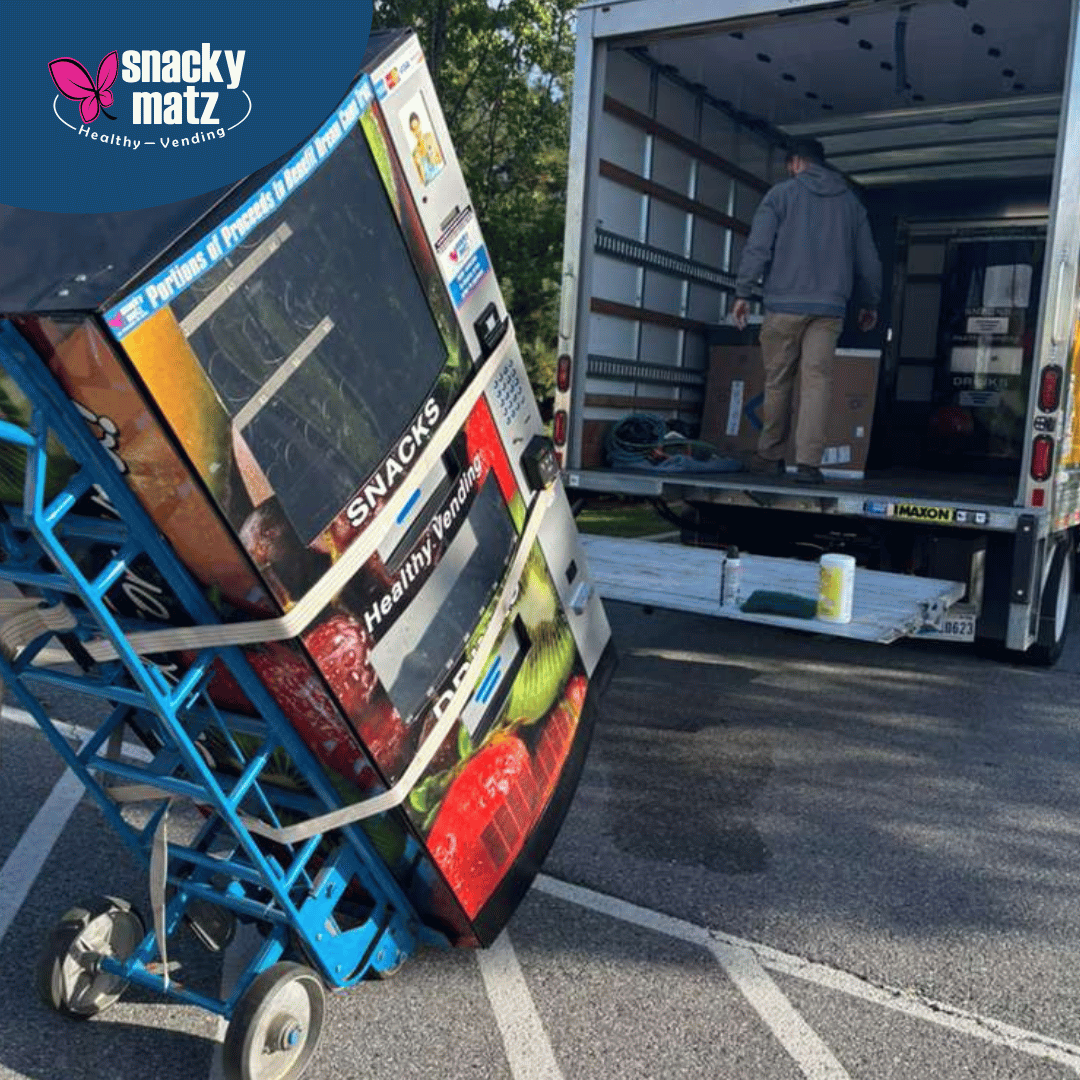
Transporting a vending machine is more than a simple moving task. Each unit combines heavy weight, electronics, and precision cooling systems that must stay intact for the machine to work properly. Even a short trip handled incorrectly can lead to damaged compressors, misaligned parts, or costly repairs. Understanding how this process works helps businesses protect their investment and avoid downtime.
Vending machine transportation also influences how quickly service begins in a new location. Whether it’s an office, school, or factory, careful planning ensures the machine arrives safely, fits through doors, and operates efficiently once installed. In short, good transport practices directly affect how soon people can enjoy snacks and drinks again.
Why Is Vending Machine Transportation So Important?
Improper handling can loosen components or shift them out of alignment. Refrigerated models are particularly sensitive; tilting them excessively or plugging them in too soon after a move can harm the compressor. Treat transportation as a technical process that protects your investment and reduces the risk of service interruptions.
What Happens If a Vending Machine Is Moved Incorrectly?
Common issues include damaged cooling systems, broken harnesses, and sensor misreads after shocks or excessive tilting. After installation, allow several hours before powering a refrigerated unit so compressor oil can settle. If issues arise post-move, review practical steps similar to these machine outage scenarios to quickly isolate the cause.
Common issues include damaged cooling systems, broken harnesses, and sensor misreads after shocks or excessive tilting. Refrigerated models are particularly sensitive — tilting them too far or plugging them in too soon after a move can damage the compressor. After installation, always wait several hours before powering the unit so compressor oil can settle. Even minor mistakes during transport can shorten the machine’s lifespan or compromise cooling performance. That’s why every move should be handled by professionals who understand how vending machines are built and how to stabilize them during relocation.
Who Is Responsible for Transporting Vending Machines?
In most cases, vending suppliers or specialized logistics companies handle delivery, setup, and installation. Full-service vending providers often include transportation at no additional cost, sending trained technicians who know how to secure and position the machine safely.
If you’re purchasing or relocating a machine independently, hire a freight company experienced in vending equipment transport. They have the tools, insurance, and know-how to ensure a safe move from start to finish.
How Should You Prepare Before Moving a Vending Machine?
Proper planning prevents most transportation problems.
- Measure all entry points — doors, hallways, and ramps — to confirm clearance.
- Clear the route and remove obstacles ahead of time.
- Unplug and empty the machine completely before moving it.
- For refrigerated models, wait several hours after installation before plugging them in again to let the compressor oil settle.
For planning adjacent to installation, consider stocking and service cadence as described in these smart restocking strategies.
What Equipment Ensures Safe Transportation?
Professional movers use dollies, lifting straps, and lift-gate trucks built to handle heavy machinery. These tools help balance the machine and minimize sudden shocks or scratches. Attempting to move a vending machine with household equipment — or without proper lifting gear — increases the risk of injury and damage to both the unit and property.
Professional movers use dollies, heavy-duty lifting straps, protective blankets, and lift-gate trucks to manage weight and balance. These tools minimize vibration and sudden shocks, preventing scratches or structural damage. Attempting to move a vending machine without the proper equipment increases the risk of injury and harm to both the unit and the property. For reference, OSHA provides clear guidance on safe handling and heavy-material movement in its heavy materials handling guide.
Do You Need Insurance for Vending Machine Transport?
Yes. Reputable providers include cargo insurance and delivery coverage for every machine moved. If you arrange a private move, select a carrier that offers insurance for high-value equipment and follows standardized handling practices. For ergonomic and manual-handling reference points when planning any human-assist steps, consult NIOSH’s Revised Lifting Equation guidance.
For private owners managing their own transport, always choose a company that offers insurance for high-value equipment. It’s a small additional cost that prevents major losses later.
Final Takeaway: Precision Over Power
In most U.S. states, full-service vending providers include transportation and installation in their agreements, ensuring compliance with safety and delivery standards. This approach guarantees that every machine arrives fully operational, minimizing risk and downtime for business owners.