

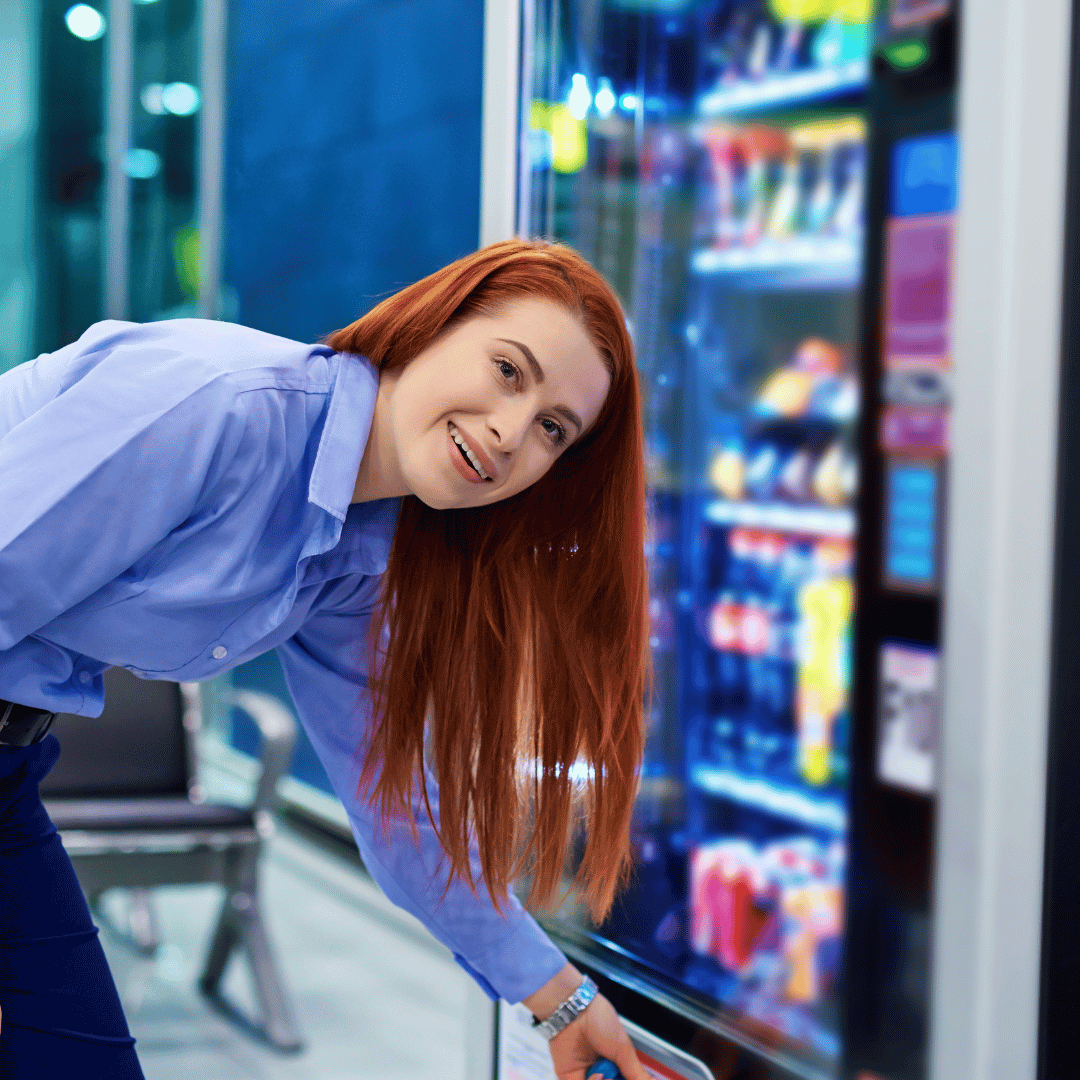
Life moves quickly. People juggle demanding jobs, personal responsibilities, and never-ending to-do lists, often without pausing for a break. In the middle of all this, small moments of comfort carry more weight than we usually realize. Whether it is grabbing a coffee between appointments, enjoying a snack while waiting for a service, or finding a cold drink during a long day, these aren’t just casual purchases. They are small gestures of relief — little ways we care for ourselves amid the rush.
This is where vending machines quietly make a real difference. While often overlooked, they offer something uniquely valuable: convenience without complication. Unlike stores or coffee shops, vending doesn’t require waiting, extra time, or interacting with anyone. It is simply there — reliable, easy, and ready to deliver a quick break whenever it is needed.
As routines become more demanding and free time feels harder to come by, people naturally look for solutions that remove friction from their day. Whether it is an employee stepping away for a five-minute pause, a traveler in need of a quick refreshment, or someone fitting errands into a packed schedule, a vending machine becomes an unexpected source of comfort. These small encounters — fast, simple, and satisfying — shape how people navigate their day in subtle but meaningful ways.
The real value often goes unnoticed. It isn’t just about the snack or the drink — it’s the reassurance of knowing something helpful is always nearby. It’s the quiet mood boost that comes from choosing exactly what you want, exactly when you need it. In an unpredictable day, vending machines provide one of the few constants: an instant, effortless way to meet a small need and keep moving forward.
This article explores how vending machines play a surprising role in bringing comfort to everyday life — proving that sometimes, the smallest conveniences create the biggest impact.
The Power of Small Comforts in Modern Life
Why Convenience Matters More Than Ever
Modern routines leave little space for slowing down. Whether it is running errands, commuting, or balancing work and family, there is often an invisible weight that builds throughout the day. This is where small comforts play a surprisingly powerful role. They do not solve big problems, but they offer brief moments of relief that help reset energy, improve mood, and restore focus.
Convenience is not just a luxury — it has become a necessity in how people navigate their days. A study from the Journal of Consumer Research highlights that instant access to small indulgences, like snacks or beverages, has a measurable effect on well-being and stress reduction. This is tied to what psychologists call the small-indulgence effect, where people feel comfortable giving themselves affordable rewards without guilt.
Vending machines fit perfectly into this dynamic. Unlike waiting in line at a crowded store or needing to drive to a coffee shop, vending offers an effortless solution exactly when it is needed. Research from the National Institutes of Health reinforces that micro-decisions — like grabbing a snack or drink during a break — play an important role in maintaining focus and energy levels, especially during high-pressure or busy periods.
Micro-Moments of Relief
Even the simple reliability of knowing a vending machine is there — stocked and operational — becomes a small source of comfort in itself. This sense of predictability is deeply valued in chaotic environments, whether it is a hospital, transportation hub, or workplace. A study on consumer behavior confirms that easy, frictionless access to products enhances satisfaction, even more so when customers are under stress or fatigue.
These small comforts, while seemingly insignificant, have a compounding effect throughout the day. They transform what could be a draining moment — waiting, working late, or running on empty — into a quick win that lifts energy and mood. In the bigger picture, they help people move through their days with a bit more ease and a lot more comfort.
Vending Machines as Emotional Support
The Psychology Behind Instant Gratification
Grabbing a snack from a vending machine may seem like an ordinary action, but it serves a deeper purpose than most realize. These moments often function as small emotional resets — a way to navigate stress, frustration, or exhaustion during a demanding day. Whether it is a quick soda while waiting, a coffee during a late shift, or a snack between tasks, the experience offers something beyond just physical relief. It is a form of mental comfort that is always within reach.
Humans are wired to seek out small rewards, especially in moments of fatigue or stress. This is the driving force behind impulse behaviors like grabbing a snack or drink when feeling overwhelmed. Research published on LinkedIn highlights that emotions like stress, boredom, or frustration significantly influence impulse purchases at vending machines, turning them into a tool for emotional regulation. The quick decision, the immediate reward, and the sense of satisfaction activate the brain’s reward system, delivering a fast mood boost when it’s needed most.
Predictability in an Unpredictable Day
There is also comfort in knowing that a vending machine is always there — stocked, ready, and reliable. When the day becomes chaotic, this predictability offers a subtle form of emotional security. Unlike other purchase options, vending requires no waiting, no interaction, and no schedule. It is a small pocket of certainty in the middle of an unpredictable routine.
In this sense, vending machines are more than convenience. They become quiet allies in managing the emotional ups and downs of daily life — always available, always delivering, and always offering a little moment of control in a day that often feels out of control.
Real-Life Scenarios Where Vending Makes a Difference
The Long Wait: Medical Offices, Auto Shops, and Salons
Waiting is one of the most common sources of frustration. Whether someone is waiting for a doctor, a car repair, or a haircut, time seems to slow down. Vending machines transform these tedious moments into manageable ones. A snack or drink becomes a small comfort that changes the waiting experience from irritating to tolerable. Instead of focusing on the clock, people shift their attention to a simple pleasure — something they chose for themselves, on their own terms.
The Late Shift Hero
For people working late hours — from hospital staff to security guards to night-shift warehouse workers — vending machines are often the only available option. When stores and cafes are closed, vending offers the comfort of reliability. It is a quick source of energy, a break from fatigue, and a mental reset during challenging shifts.
Everyday Errands and Unexpected Wins
Even during simple errands, vending machines serve as a quiet support system. A cold drink between stops, a snack after picking up a package, or a coffee during a long day of tasks can shift someone’s mood entirely. These are the small wins that make people feel cared for, even when no one else is around to provide it.
A study discussed in ScienceDirect reinforces this idea, showing how small moments of access to snacks or beverages can influence mood and decision-making.
Vending machines quietly step in where other services fall short, offering comfort, predictability, and emotional relief exactly when it is needed most.
Why Businesses That Offer Vending Create Happier Spaces
Enhancing Customer Satisfaction
Customers notice when a business makes their experience easier. A vending machine in a waiting area tells customers that their time matters. It turns inconvenience into comfort, offering something to enjoy while waiting. This small gesture can turn a neutral or even negative experience into a positive one, increasing the likelihood of repeat visits and stronger brand perception.
Supporting Employee Well-Being
For employees, vending machines are a form of workplace support. They offer instant access to snacks, drinks, and small breaks that help manage stress and maintain energy throughout the day. This isn’t just about convenience; it’s about creating a work environment that values comfort, mental resets, and productivity. A well-placed vending machine becomes part of the wellness ecosystem in any workplace.
A Simple Amenity With Lasting Impact
Businesses that invest in vending show that they care about the daily realities of their staff and customers. It’s a small investment with a large return in terms of satisfaction, loyalty, and perceived value.
A study discussed by Roastea Vending reinforces this point, noting that vending machines contribute to emotional well-being in workplaces by offering a reliable way to pause, recharge, and reduce stress during the day.
In a competitive landscape, the businesses that think about these small human moments are the ones that stand out. Vending isn’t just about snacks. It’s about caring for people, one small comfort at a time.
Conclusion
Vending machines are often seen as simple conveniences — a quick snack, a cold drink, or an easy pick-me-up during the day. But as we’ve explored, their role goes far beyond that. They deliver something far more valuable: comfort in moments when it is needed most. Whether someone is dealing with a stressful wait, powering through a late shift, or just managing the endless demands of their day, a vending machine quietly steps in with an instant solution.
These small comforts shape how people experience the spaces they move through — from workplaces to waiting rooms to public venues. They transform ordinary moments into manageable ones, providing a sense of control, relief, and satisfaction that might otherwise be missing. For businesses, the impact is equally powerful. A vending machine is not just an amenity; it’s a way to show customers and employees that their time, needs, and well-being matter.
In a world that feels increasingly busy, vending machines offer something rare: predictability, simplicity, and a small but meaningful form of emotional support. They are more than machines. They are quiet partners in helping people navigate the little challenges of daily life — one snack, one coffee, one cold drink at a time.